



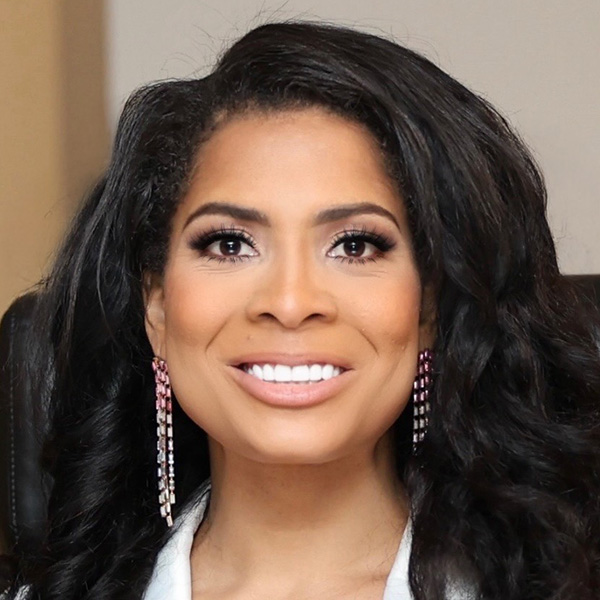
Candidate Q&A
Why do you want to be a commissioner of the Metropolitan Water Reclamation District of Greater Chicago and why do you believe you are qualified?
I serve as a Commissioner of the Metropolitan Water Reclamation District because water is about people. It is about health. It is about safety. And it is about fairness.
When basements flood, when neighborhoods face pollution, when families worry about climate change — that is not abstract policy. That is real life. Government has a responsibility to get it right.
I believe infrastructure should work for everyone. For too long, some communities have faced higher risks from flooding and pollution. I bring a steady voice to this work that centers fairness, transparency, and long-term planning.
As Commissioner, I focus on clean water, flood prevention, climate resilience, and strong public oversight. I ask hard questions. I study the facts. And I work to ensure our decisions protect both today’s families and future generations.
With rainstorms more frequent and severe, the Deep Tunnel system and the MWRD reservoirs fill up. As a result, it’s sometimes necessary to release sewage overflows into waterways. What other strategies should the MWRD employ to reduce those sewage releases?
Deep Tunnel was a major investment, and it has helped. But with stronger and more frequent storms, we cannot rely on one system alone.
We need to keep stormwater out of the pipes in the first place. That means expanding green solutions like rain gardens, permeable pavement, restored wetlands, and more trees. These projects reduce flooding and improve neighborhoods at the same time.
We also must modernize aging sewer infrastructure and work closely with local governments to manage water where it falls. Flooding and sewage overflows are regional challenges, and they require coordinated action.
Climate change is here. Our response must be forward-thinking, practical, and fair. The goal is simple: prevent overflows whenever possible and protect both our waterways and our communities.
How else can the MWRD improve conditions in area waterways to reduce public health threats?
The MWRD can further protect public health by strengthening water quality monitoring, accelerating the removal of invasive species, and restoring natural habitats along our waterways. Investing in infrastructure upgrades, enforcing strong environmental standards, and expanding public education about water safety are also critical. Clean, accessible waterways are not just an environmental issue, they’re a public health priority.
Do you think the MWRD does a good job informing the public about permeable paving, “green alleys,” rain barrels and other methods of reducing flooding?
The MWRD has made progress, and I am proud of the role I have played in strengthening that work.
During my tenure, I have focused on increasing transparency and widening the District’s reach. I have used social media to explain complex water issues in plain language. I have sat with reporters to ensure accurate coverage and help the public better understand our work. I have convened stakeholders and participated in outreach events across Cook County so residents can see how our decisions affect their daily lives.
Public education matters. If people do not understand programs like green alleys, rain barrels, or permeable pavement, they cannot take advantage of them.
I believe communication is part of leadership. My goal has been to make the District more visible, more accessible, and more accountable to the communities we serve.
Do you think the MWRD has a role in reducing contaminants like prescription drugs / pharmaceuticals and toxic chemicals like phosphates?
The MWRD plays a direct role in keeping harmful pollutants out of our waterways, and I am proud of the programs I have supported to strengthen that work.
I voted to advance the Ostara nutrient recovery program, which removes phosphorus from wastewater before it can flow into rivers and lakes. Instead of allowing that phosphorus to contribute to harmful algal blooms downstream, the system captures it and turns it into a reusable fertilizer product. That is prevention and innovation working together.
I also supported our drug take-back partnership with the Sheriff, which gives residents a safe way to dispose of medications so they do not enter our water ways.
Do you believe the MWRD has a role in preventing aquatic invasive species from entering the Chicago waterway system?
The MWRD plays an important role in preventing invasive species from entering Lake Michigan and the Great Lakes.
We help monitor the Chicago Area Waterway System and work with state and federal partners. The electric barriers are a key tool to stop species like Asian carp from reaching Lake Michigan.
What specific water infrastructure projects or investments would you pursue if elected?
I want to continue supporting projects that help manage stormwater before it floods homes and streets. This includes turning playgrounds into green spaces that soak up rainwater instead of letting it rush into the sewer system. These projects reduce flooding and make neighborhoods safer.
I also support expanding green infrastructure like permeable pavement, rain gardens, and restored wetlands. These solutions absorb water naturally and reduce pressure on our pipes.